
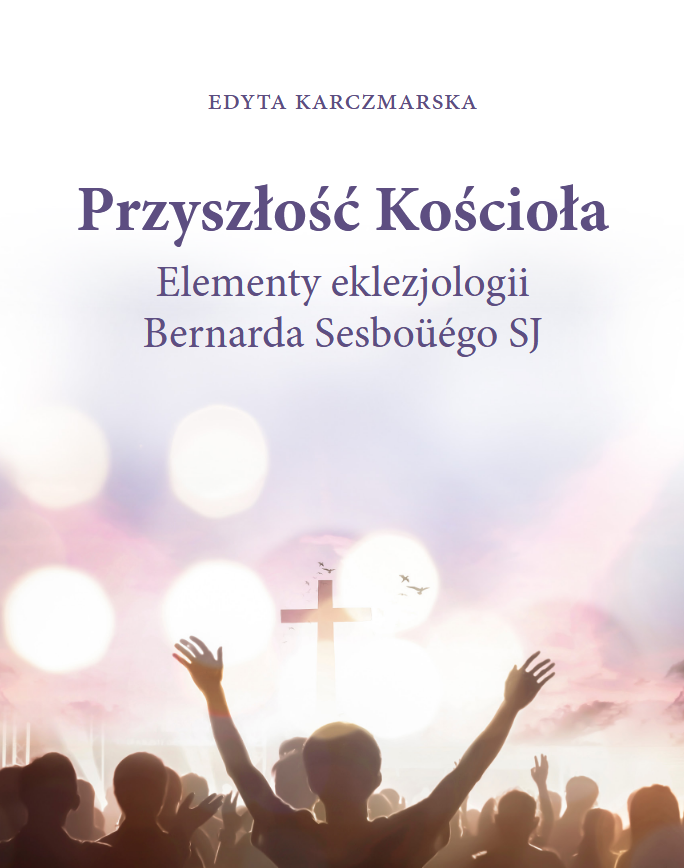
Przyszłość Kościoła. Elementy eklezjologii Bernarda Sesboüégo SJ
Streszczenie
Monografia Edyty Karczmarskiej OV pt. „Przyszłość Kościoła. Elementy eklezjologii Bernarda Sesboüégo SJ” ukazuje, jak eklezjologia Bernarda Sesboüégo SJ pozwala na nowo przemyśleć przyszłość Kościoła w perspektywie trynitarnej i soteriologicznej. Autorka odczytuje zasadnicze wątki jego myśli w kluczu „eklezjologii inkluzywnej”, która łączy wierność Tradycji z wrażliwością na pytania współczesnego, zsekularyzowanego i pluralistycznego świata. Centralnym punktem odniesienia jest wizja Kościoła jako wspólnoty zbawionych, zakorzenionej w tajemnicy wcielenia i zmartwychwstania Chrystusa oraz ukierunkowanej na komunię z Trójcą Świętą. Karczmarska analizuje kolejno biblijne, patrystyczne, magisterialne i systematyczne podstawy myśli Sesboüégo, pokazując, że przyszłość Kościoła rozumiana jest jako dynamika zbawienia obejmująca zarówno wymiar osobisty, jak i uniwersalny. Istotne miejsce zajmuje refleksja nad relacją między wolnością sumienia, władzą kościelną i nieomylnością, a także nad historią formuły extra Ecclesiam nulla salus w świetle powszechnej woli zbawczej Boga. Autorka podejmuje ponadto kwestie możliwości zbawienia poza widzialnymi granicami Kościoła, problemu anonimowego chrześcijaństwa oraz roli religii niechrześcijańskich w planie zbawienia. Ważnym wymiarem monografii jest ukazanie ekumenicznego i dialogicznego charakteru eklezjologii Sesboüégo, który mocno akcentuje potrzebę nawrócenia Kościoła, recepcji dogmatów i krytycznego zmagania się z własną historią w perspektywie miłosierdzia. Praca odsłania zarys „eklezjologii przyszłości”, w której Kościół pozostaje miejscem aktualizacji historii zbawienia, a zarazem przestrzenią poszukiwania prawdy w dialogu z innymi tradycjami teologicznymi, religiami i współczesną kulturą. The monograph by Edyta Karczmarska OV, The Future of the Church. Elements of Bernard Sesboüé SJ’s Ecclesiology, examines how Bernard Sesboüé SJ’s ecclesiology enables a renewed theological reflection on the future of the Church in a trinitarian and soteriological perspective. The author interprets his thought through the lens of an “inclusive ecclesiology” that combines fidelity to Tradition with attentiveness to the questions of a secularized and pluralistic world. At the center stands a vision of the Church as a community of the saved, rooted in the mystery of Christ’s incarnation and resurrection and ordered toward communion with the Trinity. Karczmarska successively analyses the biblical, patristic, magisterial, and systematic foundations of Sesboüé’s theology, showing that the future of the Church is understood as a dynamic process of salvation embracing both the personal and universal dimensions. Particular attention is given to the relationship between freedom of conscience, ecclesial authority, and infallibility, as well as to the history of the formula extra Ecclesiam nulla salus in the light of God’s universal salvific will. The study also addresses the possibility of salvation outside the visible boundaries of the Church, the notion of anonymous Christianity, and the role of non-Christian religions within the divine plan of salvation. An important contribution of the monograph is its presentation of the ecumenical and dialogical thrust of Sesboüé’s ecclesiology, which stresses the need for the Church’s ongoing conversion, reception of dogma, and critical engagement with its own history in the perspective of mercy. The work outlines the contours of an “ecclesiology of the future”, in which the Church remains the locus of the actualization of salvation history and a space for seeking truth in dialogue with other theological traditions, religions, and contemporary culture.
ISBN
978-83-7643-267-0978-83-7643-268-7
Collections

This work is licensed under a Creative Commons Attribution 4.0 International